
On this page
- What gutter work do larger buildings need?
- What are box gutters, scuppers and collector heads?
- How does Portland's climate affect larger roofs?
- What about older buildings?
- Do stormwater rules apply?
- What should a commercial quote include?
- How is access planned on taller buildings?
- How should drains on flat and low-slope roofs be maintained?
- What about condominiums and HOAs?
- Which buildings tend to have copper or heavy-gauge gutters?
- Which problems show up most on larger Portland buildings?
- How should a building owner budget for gutters?
- What should property managers keep on file?
- How do you choose a contractor for a larger building?
What gutter work do larger buildings need?
| Building | Typical drainage | Common work |
|---|---|---|
| Apartment building | Long runs, many downspouts | Re-hang, upsize, add outlets |
| Older mixed-use building | Built-in box gutters, parapets, scuppers | Reline box gutters, repair scuppers and collector heads |
| Church or school | Steep roofs, high eaves, copper | Specialist access, copper repair |
| Shop or office with flat roof | Scuppers, collector heads, downspouts | Clear, reseal, upsize |
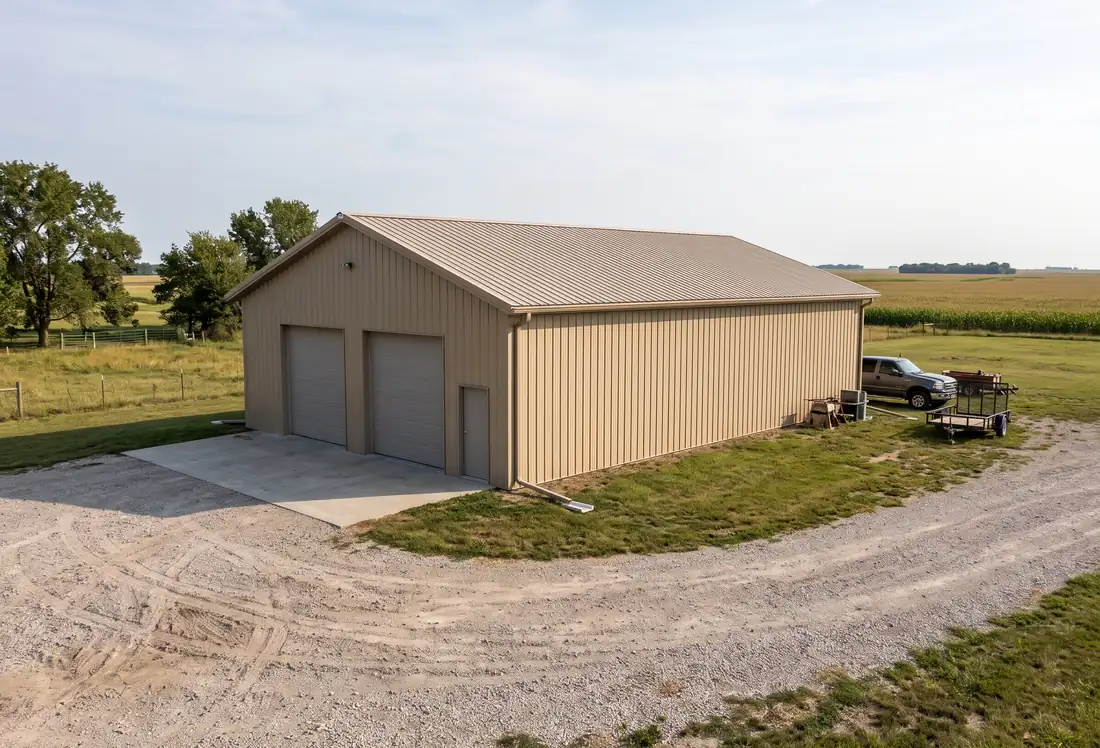
| Warehouse or workshop | Metal roof, long eaves | Large box or K-style gutters, big downspouts |
Call
to be connected with a contractor who handles commercial and multi-family work.What are box gutters, scuppers and collector heads?
| Part | What it is | Typical problem |
|---|---|---|
| Box gutter | A rectangular gutter, often built into the cornice or roof | Lining leaks into the wall |
| Scupper | An opening through a parapet that drains a flat roof | Clogs, leaking flashing |
| Collector head | A box below a scupper that feeds a downspout | Overflows when blocked |
| Leader | A large downspout | Undersized, crushed at the base |
How does Portland's climate affect larger roofs?
Large, flat or low-slope roofs collect debris and moss in the same long, wet season as houses, and they drain through fewer points, so a single blocked scupper or collector head can back water up across the roof. The city designs for a 10-year storm of 2.86 inches an hour over five minutes, and long atmospheric river events can fill the combined system: in November 2022, BES reported the Big Pipe system reached capacity and overflowed during a strong atmospheric river. Keeping roof drains clear before the wet season matters on every large building.
What about older buildings?
Portland's older commercial and multi-family buildings often have built-in gutters lined with metal, decorative cornices and downspouts tied into underground lines. When the lining fails, water goes into the wall, not down the outside. Relining keeps the look of the building. In historic districts, ask the city before changing visible drainage.
Do stormwater rules apply?
For new development and larger projects, yes. The City of Portland's Stormwater Management Manual sets requirements for managing runoff on site. For a building owner, the practical points are to keep roof drains working, to check before changing where downspouts drain, and to ask whether managing stormwater on site could qualify for a Clean River Rewards discount.
What should a commercial quote include?
Scope by roof area and drainage point, materials and gauge, access method, how tenants and walkways will be protected, schedule, warranty and the contractor's CCB license and endorsement.
How is access planned on taller buildings?
With ladders, scaffolding or lifts depending on height, roof type and space at ground level. On busy streets, access may need a right-of-way permit or coordination with the property manager. Ask the contractor how they will protect walkways, entrances and parked cars, and how long each section will take.
How should drains on flat and low-slope roofs be maintained?
| Task | How often |
|---|---|
| Clear scuppers, collector heads and roof drains | Before the wet season and after storms |
| Check box gutter linings and seams | Annually |
| Clear debris and moss from the roof surface | At least annually |
| Flush leaders and check where they discharge | Annually |
| Check after ice or wind events | As needed |
A blocked scupper on a flat roof can pond water across the deck. Clearing drains before October and after big storms is cheap insurance.
What about condominiums and HOAs?
In condominiums and townhouse communities, gutters are often common elements managed by the association. Owners usually need to go through the HOA or its property manager. Contractors who handle multi-unit work can price whole buildings or phases and plan access with residents.
Which buildings tend to have copper or heavy-gauge gutters?
Churches, schools, older civic buildings and some historic commercial blocks. Repairs need soldering and matching materials; ask for a contractor experienced with copper.
Which problems show up most on larger Portland buildings?
| Problem | Typical cause |
|---|---|
| Water through walls below a cornice | Failed box gutter lining |
| Ponding on a flat roof | Blocked scupper or roof drain |
| Overflowing collector heads | Debris and moss from the roof |
| Leaders split at the base | Impact or freezing |
| Rust along steel gutters | Wet debris sitting for months |
How should a building owner budget for gutters?
Plan for routine cleaning before the wet season, periodic resealing or relining, and eventual replacement. Keeping drains clear is far cheaper than repairing walls, ceilings and interiors damaged by overflowing roof water.
What should property managers keep on file?
| Record | Why |
|---|---|
| Roof drain and gutter locations | Speeds inspections and cleanings |
| Dates of cleanings and repairs | Shows maintenance for insurers and buyers |
| Contractor CCB numbers and warranties | Needed for claims |
| Photos before and after work | Documents condition |
| Any stormwater permits or agreements | Sets maintenance duties |
How do you choose a contractor for a larger building?
Ask about experience with box gutters, scuppers and the building type, how they will access high eaves safely, how they protect tenants and the public, whether they carry the right CCB endorsement for commercial work, and how they schedule around occupants. Ask for references for similar buildings.